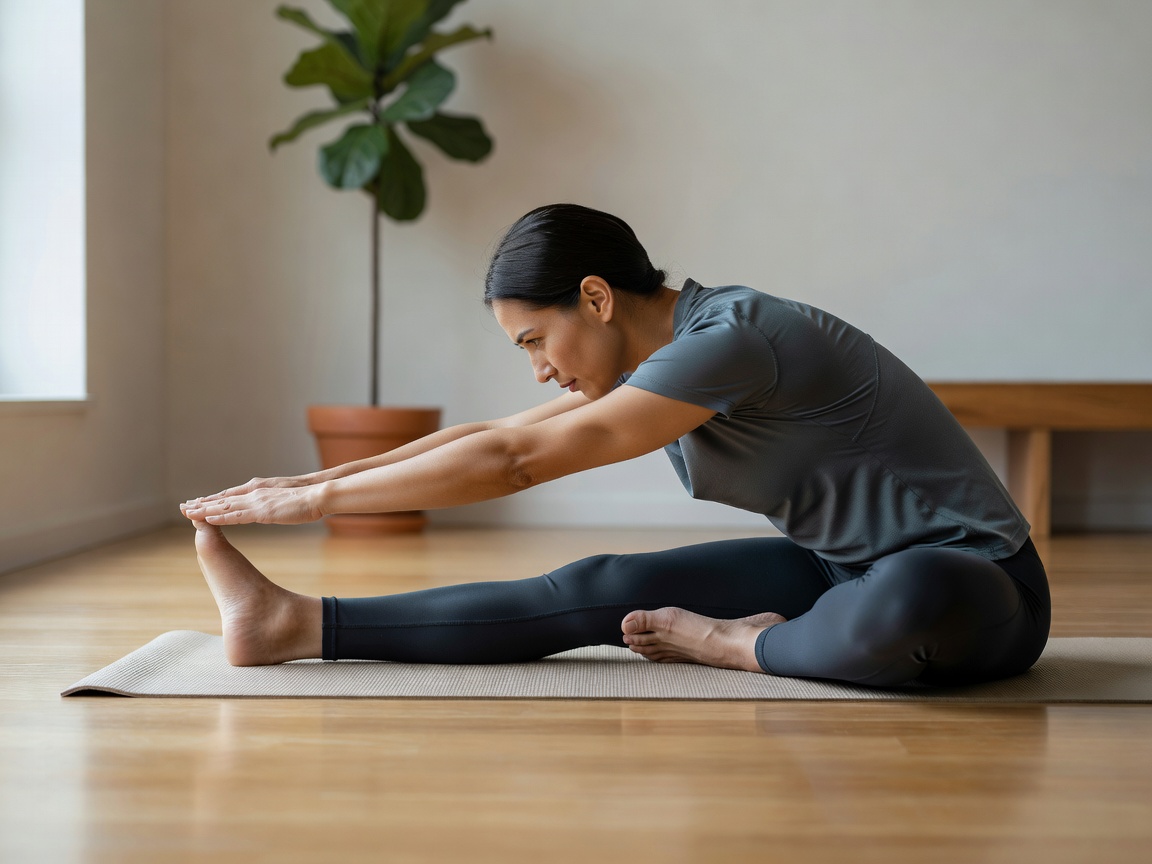
For many adults, the biggest physical limitation is not a lack of strength or cardiovascular endurance, but a lack of mobility. Modern lifestyles—characterized by prolonged sitting, hunching over keyboards, and staring down at phones—train our bodies to adapt to cramped, shortened positions. Over time, tissues tighten, joints lose their range of motion, and aches become chronic.
Mobility vs. Flexibility: Understanding the Difference
While often used interchangeably, flexibility and mobility refer to different physical qualities:
- Flexibility is the passive range of motion of a joint. It is how far you can be pushed into a stretch.
- Mobility is the active range of motion. It is how far you can control a joint through its range using your own muscular strength.
For functional, pain-free living, you need both. You need the flexibility to allow the joint to open up, and the mobility to control it once it gets there.
When to Stretch: Dynamic vs. Static
The timing of your stretching is critical for joint health and injury prevention.
Pre-Workout: Dynamic Mobility
Before a workout, your goal is to lubricate joints and increase blood flow. Static stretching (holding a stretch for 30+ seconds) before a workout can actually decrease muscular power and increase injury risk. Instead, use dynamic movements.
- Arm Circles: 10 large circles forward, 10 backward to open the shoulders.
- Leg Swings: Holding a wall for balance, gently swing one leg forward and backward 10 times to open the hips.
- Cat-Cow: On all fours, alternate between arching your back toward the ceiling and letting your belly dip toward the floor to mobilize the spine.
Post-Workout or Daily Maintenance: Static Stretching
When your muscles are already warm from a workout or a brisk walk, they are highly receptive to static stretching. This is the time to lengthen tissues.
| Stretch | Target Area | Duration |
|---|---|---|
| Couch Stretch (Kneeling Quad/Hip Flexor) | Hip Flexors, Quadriceps | 60 seconds per side |
| Pigeon Pose | Glutes, Outer Hips | 60 seconds per side |
| Doorway Pectoral Stretch | Chest, Anterior Shoulders | 45 seconds |
| Seated Hamstring Reach | Hamstrings, Lower Back | 60 seconds |
Building a Daily Routine
You do not need to dedicate an hour to stretching. A simple 10-minute flow performed daily yields far better results than an intense 60-minute session done once a week. The goal is consistency.
When performing static stretches, you should feel mild discomfort, but never sharp pain. Breathe deeply into your belly during the stretch. As you exhale, try to sink a millimeter deeper into the position. Over weeks and months, you will notice a profound difference in how your body feels when you wake up, walk, and perform other exercises.